Steel, Ceramic, or Polyethylene: Pick by Threat and Body, Not by Price

Steel, Ceramic, or Polyethylene: Pick by Threat and Body, Not by Price

0 comments

Most people pick armor plates by the price tag, then spend the next year not wearing them. That's the wrong order. The material you choose — steel, ceramic, or polyethylene — decides how heavy the plate is on your chest, how thick it sits, how it behaves after the first impact, and how long it stays serviceable on a shelf. Match the material to the threat you're actually preparing for and the body you're actually carrying it on, and price sorts itself out. Here's the framework we'd use.

In this article

Why does plate material matter more than price?

A plate only protects you if it's on your body. That sounds obvious, and it's the single most ignored fact in armor buying.

Every plate material trades one virtue for another. Steel is dense and thin. Ceramic is lighter than steel for its rated protection but thicker and more fragile to handling. Polyethylene is the lightest of the three but the thickest, and its threat coverage is different from ceramic's. None of them is "best." They're answers to different questions.

The questions worth answering before you look at a price:

  • What threat level do I actually need to be rated for? Match the rating to a realistic assessment, not the highest number on the page.
  • How long will I wear this in one stretch? Ten minutes at a range is not eight hours on a shift.
  • Where does it live between uses? A truck, a safe, a closet, a duty bag — storage matters more than people expect.
  • Who's carrying it? Frame size, weight tolerance, and mobility needs are part of the spec.

Answer those four and the material picks itself.

What are steel plates?

Steel plates are a single hardened steel core, typically finished with a protective coating. They are the densest and the thinnest of the three materials — a steel plate takes up less space between your chest and your kit than any ceramic or polyethylene plate at a comparable rating.

The case for steel. Durability and value. Steel handles rough treatment, drops, and years of being tossed in and out of a vehicle better than ceramic. It's also the most affordable path to a rated rifle plate, which matters when you're outfitting more than one person.

The tradeoffs. Weight is the big one — steel is heavy, and you will feel it after an hour. The other consideration is spall and fragmentation management, which is why steel plates are built with protective coatings and why coating condition is something you inspect over the life of the plate. Follow the manufacturer's guidance on the product page for the plate you own, and pair steel with a trauma pad if you want additional standoff and impact backing.

Our steel line runs in two grades. The Warden AR600 is our Level III+ rated steel plate — the entry point into rated rifle protection. The Dominus AR700 is our lighter steel, rated RF1/RF2, for people who want steel's durability with less mass on the body.

Warden AR600 Lightweight Level III+ Steel Rifle Plate
Value workhorse
Warden AR600 Lightweight Level III+ Steel Rifle Plate

Our Level III+ rated steel plate — the most affordable way into rated rifle protection, and the toughest to abuse.

From $89.99 View product →
Dominus AR700 Lightweight Level RF1/RF2 Steel Armor Rifle Plate
Lighter steel
Dominus AR700 Lightweight Level RF1/RF2 Steel Armor Rifle Plate

RF1/RF2 rated steel for protectors who want steel's durability without carrying the full weight penalty.

From $124.99 View product →
EVA Composite Armor Trauma Pads | Kinetic Impact Backers (Set of 2)
Impact backing
EVA Composite Armor Trauma Pads | Kinetic Impact Backers (Set of 2)

EVA composite backers that add standoff and comfort behind any plate in your carrier.

From $24.99 View product →

What are ceramic plates?

Ceramic plates use a hard ceramic strike face — silicon carbide in our case — bonded to a composite backer. The ceramic does the work of breaking up a projectile; the backer catches what's left.

The case for ceramic. This is the material that gets you to the highest rifle ratings without steel's weight. If your threat assessment includes armor-piercing rifle rounds, ceramic is the answer. Our Sanctum plate is rated Level IV / RF3 — the top of our lineup.

The tradeoffs. Ceramic is thicker than steel and it is the most sensitive of the three to handling. Drops and hard impacts can compromise a ceramic strike face in ways you can't always see from the outside, so ceramic plates get stored carefully, inspected, and retired according to the manufacturer's stated service life and warranty. They also carry a higher price, because the material and construction cost more.

Sanctum Level IV Armor | RF3 Armor Silicon Carbide Ceramic Rifle Plate
Top-tier rating
Sanctum Level IV Armor | RF3 Armor Silicon Carbide Ceramic Rifle Plate

Silicon carbide ceramic rated Level IV / RF3 — our highest-rated rifle plate.

From $299.99 View product →
Bastion | Level IV (AP-Rated) SiC Plates & Carrier Invictus Templar
Ceramic plates work in two stages: a hard strike face and a composite backer behind it.

What are polyethylene plates?

Polyethylene plates — UHMWPE, usually just called "poly" or "PE" — are built from many compressed layers of high-strength polymer fiber. No steel, no ceramic.

The case for polyethylene. Weight, full stop. PE is the lightest rifle-rated material we sell, and the difference is not subtle when you've been wearing a carrier all day. Some PE plates are also positively buoyant, which matters if you're around water. Our Agilis plate is rated Level III+ and is the plate we point people toward when all-day wear is the priority.

The tradeoffs. PE is the thickest of the three, so it sits further off your chest and takes up more room in a carrier. Because it's a polymer, it's also the most sensitive to sustained heat — a closed vehicle in summer is a bad long-term home for a PE plate. And PE's rating profile is different from ceramic's; it is not a substitute for ceramic if your threat assessment demands a Level IV / RF3 plate.

Agilis Ultralight Level III+ Polyethylene Rifle Plate Lightweight Body Armor
Lightest option
Agilis Ultralight Level III+ Polyethylene Rifle Plate Lightweight Body Armor

Level III+ rated polyethylene — the plate you'll actually keep on for a full day.

From $209.99 View product →

What is a hybrid plate?

Hybrids combine materials — typically a hard strike face over a polymer backer — to chase a middle path: more rating than a standard plate, less weight than an equivalent all-steel build. Our Aegis SRT is a hybrid construction rated RF2, aimed at special rifle threats.

If you want a step up in rating without committing to the weight of steel or the handling care of a full ceramic plate, this is the category to look at.

Aegis Special Rifle Threat RF2 Body Armor Hybrid Rifle Plate
Middle path
Aegis Special Rifle Threat RF2 Body Armor Hybrid Rifle Plate

Hybrid construction rated RF2 — a step up in threat coverage without full steel weight.

From $234.99 View product →

How do the materials compare side by side?

Relative comparisons only — for the exact rating, weight, and dimensions of any plate, read that plate's product page.

Factor Steel Ceramic Polyethylene
Weight on your body Heaviest Middle Lightest
Thickness / profile Thinnest Thickest of the hard plates Thickest overall
Rating ceiling in our line Level III+ (Warden) / RF1–RF2 (Dominus) Level IV / RF3 (Sanctum) Level III+ (Agilis)
Tolerance for rough handling Highest Lowest — inspect and store with care Good, but heat-sensitive
Spall considerations Requires protective coating; inspect coating over time Not a steel-style spall concern Not a steel-style spall concern
Storage sensitivity Very forgiving Protect from drops and impacts Keep out of sustained high heat
Relative cost Lowest Highest Middle
Service life Long, coating-dependent Per manufacturer's stated service life Per manufacturer's stated service life

How does your body change the answer?

Armor is worn equipment, and worn equipment has to fit a person.

Total carried weight. Plates are one line item. Add a carrier, side plates, a helmet, a belt, magazines, water, and medical, and the difference between the lightest and heaviest plate material compounds across your whole loadout. If you're building a full kit, buy weight savings where they're cheapest — and on most kits that's the plates.

Frame and coverage. A plate has to cover your vitals without riding into your throat or blocking your rifle from shouldering. A thinner steel plate can be easier to live with on a smaller frame; a thicker PE plate may sit better on a larger one. Measure before you buy, and set your carrier so the top of the plate sits roughly at the suprasternal notch.

Endurance. Be honest about your fitness and your use case. A plate you can wear for twenty minutes is a range plate. A plate you can wear for a shift is a working plate.

Storage reality. If your kit lives in a hot truck year-round, that argues against polyethylene. If it gets thrown around, that argues against ceramic. If it lives in a climate-controlled safe and comes out for training, any of the three is fine.
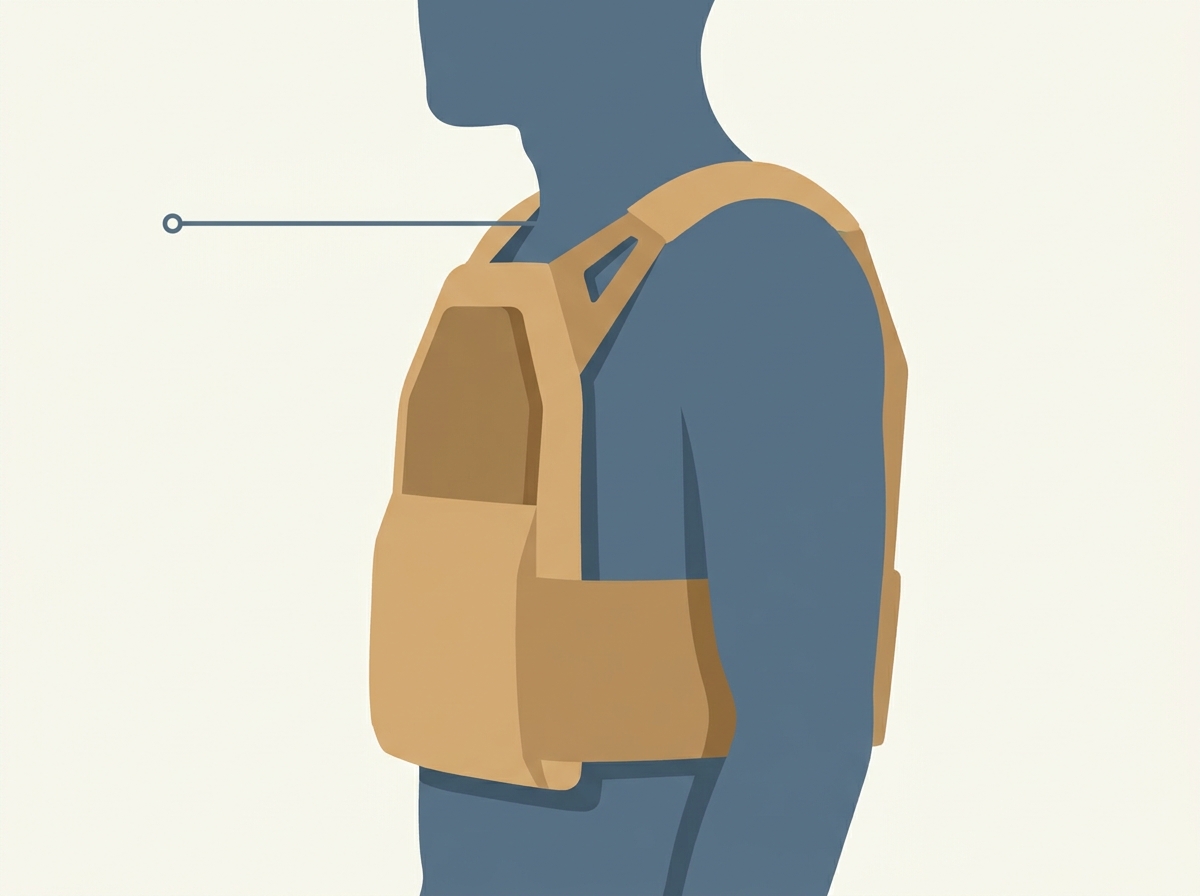
Side profile illustration showing correct plate height on the torso
Plate height matters as much as plate material — top of the plate at the suprasternal notch.

Which plate line fits which protector?

Three common readers, three honest answers. Ratings stated exactly as each plate carries them.

1. The home defender on a budget, building a first kit. You want rated rifle protection in the house, you'll wear it rarely and briefly, and it'll live in a safe. Weight is your least important variable and durability is a nice bonus. Start with the Warden AR600, rated Level III+ — or the complete Templar Steel Core Kit if you'd rather buy plates and carrier together.

Templar Steel Core Body Armor Kit | Level III+ Plates & Carrier
First kit
Templar Steel Core Body Armor Kit | Level III+ Plates & Carrier

Level III+ rated steel plates paired with a carrier — a complete starting loadout in one purchase.

From $329.97 View product →

2. The working protector wearing kit for hours. Duty shifts, long training days, real time under load. Every ounce compounds. Go polyethylene — the Agilis Ultralight, rated Level III+ — and keep it out of a hot vehicle between uses. If you want more threat coverage without giving all the weight back, look at the Aegis SRT, rated RF2.

3. The prepared citizen planning against the worst case. Your threat assessment includes armor-piercing rifle rounds and you're willing to carry the thickness and take care of the plate to get there. That's ceramic: the Sanctum, rated Level IV / RF3. If you'd rather buy the whole loadout at once, the Bastion Ultima Kit pairs Sanctum plates with a carrier and helmet.

Bastion Ultima Level IV Kit | Sanctum Lvl IV Rifle Plates, Carrier, and Helmet
Complete Level IV
Bastion Ultima Level IV Kit | Sanctum Lvl IV Rifle Plates, Carrier, and Helmet

Sanctum Level IV / RF3 plates, carrier, and helmet in one kit for the highest-rated build we offer.

From $1044.94 View product →

Whichever line you choose, don't stop at the front and back plates. Side plates close a real gap, and every plate line above has a matching 6x6 side set at the same rating.

Frequently asked questions

Is a more expensive plate always a better plate?

No. A higher price usually buys you a higher rating, less weight, or both — but if you don't need the higher rating and you won't feel the weight difference in your use case, you've paid for capability you won't use. Buy to your threat assessment and your wear time.

Can I mix materials in one carrier?

You can, and some people do — for example, a lighter plate in front and a different plate in back. Just understand that your protection level is only as high as the rating of the plate covering that side of your body, and check that both plates fit your carrier's cut and thickness allowance.

Do steel plates need a trauma pad?

A trauma pad isn't a substitute for a plate's own construction, but it adds standoff and impact backing behind any plate and most people find it noticeably more comfortable. It's an inexpensive addition to any build. Check your plate's product page for the manufacturer's specific guidance.

How long do plates last?

Steel is the most forgiving over time, with coating condition being the thing to inspect. Ceramic and polyethylene plates carry a manufacturer's stated service life — check the product page and any warranty information for the specific plate you own, and replace on schedule rather than on feel.

What rating do I actually need?

Start by identifying the realistic threats in your environment rather than the most extreme threat you can imagine. Then match a plate rated for that threat. If your assessment includes armor-piercing rifle ammunition, that points to Level IV / RF3. If it doesn't, a Level III+ or RF2 plate may serve you better because you'll actually wear it.

Pick your plate line

Steel, ceramic, hybrid, and polyethylene — every rating stated plainly, every spec on the page.

Shop rifle plates →

Tags:
How to read an armor price increase: what you're actually paying for

Body Armor Side Plates: What They Protect, and Why They're Rated Differently

Leave a comment

Steel, Ceramic, or Polyethylene: Pick by Threat and Body, Not by Price

0 comments

Steel, Ceramic, or Polyethylene: Pick by Threat and Body, Not by Price

Most people pick armor plates by the price tag, then spend the next year not wearing them. That's the wrong order. The material you choose — steel, ceramic, or polyethylene — decides how heavy the plate is on your chest, how thick it sits, how it behaves after the first impact, and how long it stays serviceable on a shelf. Match the material to the threat you're actually preparing for and the body you're actually carrying it on, and price sorts itself out. Here's the framework we'd use.

In this article

Why does plate material matter more than price?

A plate only protects you if it's on your body. That sounds obvious, and it's the single most ignored fact in armor buying.

Every plate material trades one virtue for another. Steel is dense and thin. Ceramic is lighter than steel for its rated protection but thicker and more fragile to handling. Polyethylene is the lightest of the three but the thickest, and its threat coverage is different from ceramic's. None of them is "best." They're answers to different questions.

The questions worth answering before you look at a price:

  • What threat level do I actually need to be rated for? Match the rating to a realistic assessment, not the highest number on the page.
  • How long will I wear this in one stretch? Ten minutes at a range is not eight hours on a shift.
  • Where does it live between uses? A truck, a safe, a closet, a duty bag — storage matters more than people expect.
  • Who's carrying it? Frame size, weight tolerance, and mobility needs are part of the spec.

Answer those four and the material picks itself.

What are steel plates?

Steel plates are a single hardened steel core, typically finished with a protective coating. They are the densest and the thinnest of the three materials — a steel plate takes up less space between your chest and your kit than any ceramic or polyethylene plate at a comparable rating.

The case for steel. Durability and value. Steel handles rough treatment, drops, and years of being tossed in and out of a vehicle better than ceramic. It's also the most affordable path to a rated rifle plate, which matters when you're outfitting more than one person.

The tradeoffs. Weight is the big one — steel is heavy, and you will feel it after an hour. The other consideration is spall and fragmentation management, which is why steel plates are built with protective coatings and why coating condition is something you inspect over the life of the plate. Follow the manufacturer's guidance on the product page for the plate you own, and pair steel with a trauma pad if you want additional standoff and impact backing.

Our steel line runs in two grades. The Warden AR600 is our Level III+ rated steel plate — the entry point into rated rifle protection. The Dominus AR700 is our lighter steel, rated RF1/RF2, for people who want steel's durability with less mass on the body.

Warden AR600 Lightweight Level III+ Steel Rifle Plate
Value workhorse
Warden AR600 Lightweight Level III+ Steel Rifle Plate

Our Level III+ rated steel plate — the most affordable way into rated rifle protection, and the toughest to abuse.

From $89.99 View product →
Dominus AR700 Lightweight Level RF1/RF2 Steel Armor Rifle Plate
Lighter steel
Dominus AR700 Lightweight Level RF1/RF2 Steel Armor Rifle Plate

RF1/RF2 rated steel for protectors who want steel's durability without carrying the full weight penalty.

From $124.99 View product →
EVA Composite Armor Trauma Pads | Kinetic Impact Backers (Set of 2)
Impact backing
EVA Composite Armor Trauma Pads | Kinetic Impact Backers (Set of 2)

EVA composite backers that add standoff and comfort behind any plate in your carrier.

From $24.99 View product →

What are ceramic plates?

Ceramic plates use a hard ceramic strike face — silicon carbide in our case — bonded to a composite backer. The ceramic does the work of breaking up a projectile; the backer catches what's left.

The case for ceramic. This is the material that gets you to the highest rifle ratings without steel's weight. If your threat assessment includes armor-piercing rifle rounds, ceramic is the answer. Our Sanctum plate is rated Level IV / RF3 — the top of our lineup.

The tradeoffs. Ceramic is thicker than steel and it is the most sensitive of the three to handling. Drops and hard impacts can compromise a ceramic strike face in ways you can't always see from the outside, so ceramic plates get stored carefully, inspected, and retired according to the manufacturer's stated service life and warranty. They also carry a higher price, because the material and construction cost more.

Sanctum Level IV Armor | RF3 Armor Silicon Carbide Ceramic Rifle Plate
Top-tier rating
Sanctum Level IV Armor | RF3 Armor Silicon Carbide Ceramic Rifle Plate

Silicon carbide ceramic rated Level IV / RF3 — our highest-rated rifle plate.

From $299.99 View product →
Bastion | Level IV (AP-Rated) SiC Plates & Carrier Invictus Templar
Ceramic plates work in two stages: a hard strike face and a composite backer behind it.

What are polyethylene plates?

Polyethylene plates — UHMWPE, usually just called "poly" or "PE" — are built from many compressed layers of high-strength polymer fiber. No steel, no ceramic.

The case for polyethylene. Weight, full stop. PE is the lightest rifle-rated material we sell, and the difference is not subtle when you've been wearing a carrier all day. Some PE plates are also positively buoyant, which matters if you're around water. Our Agilis plate is rated Level III+ and is the plate we point people toward when all-day wear is the priority.

The tradeoffs. PE is the thickest of the three, so it sits further off your chest and takes up more room in a carrier. Because it's a polymer, it's also the most sensitive to sustained heat — a closed vehicle in summer is a bad long-term home for a PE plate. And PE's rating profile is different from ceramic's; it is not a substitute for ceramic if your threat assessment demands a Level IV / RF3 plate.

Agilis Ultralight Level III+ Polyethylene Rifle Plate Lightweight Body Armor
Lightest option
Agilis Ultralight Level III+ Polyethylene Rifle Plate Lightweight Body Armor

Level III+ rated polyethylene — the plate you'll actually keep on for a full day.

From $209.99 View product →

What is a hybrid plate?

Hybrids combine materials — typically a hard strike face over a polymer backer — to chase a middle path: more rating than a standard plate, less weight than an equivalent all-steel build. Our Aegis SRT is a hybrid construction rated RF2, aimed at special rifle threats.

If you want a step up in rating without committing to the weight of steel or the handling care of a full ceramic plate, this is the category to look at.

Aegis Special Rifle Threat RF2 Body Armor Hybrid Rifle Plate
Middle path
Aegis Special Rifle Threat RF2 Body Armor Hybrid Rifle Plate

Hybrid construction rated RF2 — a step up in threat coverage without full steel weight.

From $234.99 View product →

How do the materials compare side by side?

Relative comparisons only — for the exact rating, weight, and dimensions of any plate, read that plate's product page.

Factor Steel Ceramic Polyethylene
Weight on your body Heaviest Middle Lightest
Thickness / profile Thinnest Thickest of the hard plates Thickest overall
Rating ceiling in our line Level III+ (Warden) / RF1–RF2 (Dominus) Level IV / RF3 (Sanctum) Level III+ (Agilis)
Tolerance for rough handling Highest Lowest — inspect and store with care Good, but heat-sensitive
Spall considerations Requires protective coating; inspect coating over time Not a steel-style spall concern Not a steel-style spall concern
Storage sensitivity Very forgiving Protect from drops and impacts Keep out of sustained high heat
Relative cost Lowest Highest Middle
Service life Long, coating-dependent Per manufacturer's stated service life Per manufacturer's stated service life

How does your body change the answer?

Armor is worn equipment, and worn equipment has to fit a person.

Total carried weight. Plates are one line item. Add a carrier, side plates, a helmet, a belt, magazines, water, and medical, and the difference between the lightest and heaviest plate material compounds across your whole loadout. If you're building a full kit, buy weight savings where they're cheapest — and on most kits that's the plates.

Frame and coverage. A plate has to cover your vitals without riding into your throat or blocking your rifle from shouldering. A thinner steel plate can be easier to live with on a smaller frame; a thicker PE plate may sit better on a larger one. Measure before you buy, and set your carrier so the top of the plate sits roughly at the suprasternal notch.

Endurance. Be honest about your fitness and your use case. A plate you can wear for twenty minutes is a range plate. A plate you can wear for a shift is a working plate.

Storage reality. If your kit lives in a hot truck year-round, that argues against polyethylene. If it gets thrown around, that argues against ceramic. If it lives in a climate-controlled safe and comes out for training, any of the three is fine.

Side profile illustration showing correct plate height on the torso
Plate height matters as much as plate material — top of the plate at the suprasternal notch.

Which plate line fits which protector?

Three common readers, three honest answers. Ratings stated exactly as each plate carries them.

1. The home defender on a budget, building a first kit. You want rated rifle protection in the house, you'll wear it rarely and briefly, and it'll live in a safe. Weight is your least important variable and durability is a nice bonus. Start with the Warden AR600, rated Level III+ — or the complete Templar Steel Core Kit if you'd rather buy plates and carrier together.

Templar Steel Core Body Armor Kit | Level III+ Plates & Carrier
First kit
Templar Steel Core Body Armor Kit | Level III+ Plates & Carrier

Level III+ rated steel plates paired with a carrier — a complete starting loadout in one purchase.

From $329.97 View product →

2. The working protector wearing kit for hours. Duty shifts, long training days, real time under load. Every ounce compounds. Go polyethylene — the Agilis Ultralight, rated Level III+ — and keep it out of a hot vehicle between uses. If you want more threat coverage without giving all the weight back, look at the Aegis SRT, rated RF2.

3. The prepared citizen planning against the worst case. Your threat assessment includes armor-piercing rifle rounds and you're willing to carry the thickness and take care of the plate to get there. That's ceramic: the Sanctum, rated Level IV / RF3. If you'd rather buy the whole loadout at once, the Bastion Ultima Kit pairs Sanctum plates with a carrier and helmet.

Bastion Ultima Level IV Kit | Sanctum Lvl IV Rifle Plates, Carrier, and Helmet
Complete Level IV
Bastion Ultima Level IV Kit | Sanctum Lvl IV Rifle Plates, Carrier, and Helmet

Sanctum Level IV / RF3 plates, carrier, and helmet in one kit for the highest-rated build we offer.

From $1044.94 View product →

Whichever line you choose, don't stop at the front and back plates. Side plates close a real gap, and every plate line above has a matching 6x6 side set at the same rating.

Frequently asked questions

Is a more expensive plate always a better plate?

No. A higher price usually buys you a higher rating, less weight, or both — but if you don't need the higher rating and you won't feel the weight difference in your use case, you've paid for capability you won't use. Buy to your threat assessment and your wear time.

Can I mix materials in one carrier?

You can, and some people do — for example, a lighter plate in front and a different plate in back. Just understand that your protection level is only as high as the rating of the plate covering that side of your body, and check that both plates fit your carrier's cut and thickness allowance.

Do steel plates need a trauma pad?

A trauma pad isn't a substitute for a plate's own construction, but it adds standoff and impact backing behind any plate and most people find it noticeably more comfortable. It's an inexpensive addition to any build. Check your plate's product page for the manufacturer's specific guidance.

How long do plates last?

Steel is the most forgiving over time, with coating condition being the thing to inspect. Ceramic and polyethylene plates carry a manufacturer's stated service life — check the product page and any warranty information for the specific plate you own, and replace on schedule rather than on feel.

What rating do I actually need?

Start by identifying the realistic threats in your environment rather than the most extreme threat you can imagine. Then match a plate rated for that threat. If your assessment includes armor-piercing rifle ammunition, that points to Level IV / RF3. If it doesn't, a Level III+ or RF2 plate may serve you better because you'll actually wear it.

Pick your plate line

Steel, ceramic, hybrid, and polyethylene — every rating stated plainly, every spec on the page.

Shop rifle plates →
Comments 

No comments

Leave a comment
Your Email Address Will Not Be Published. Required Fields Are Marked *